The story of Eurythmy
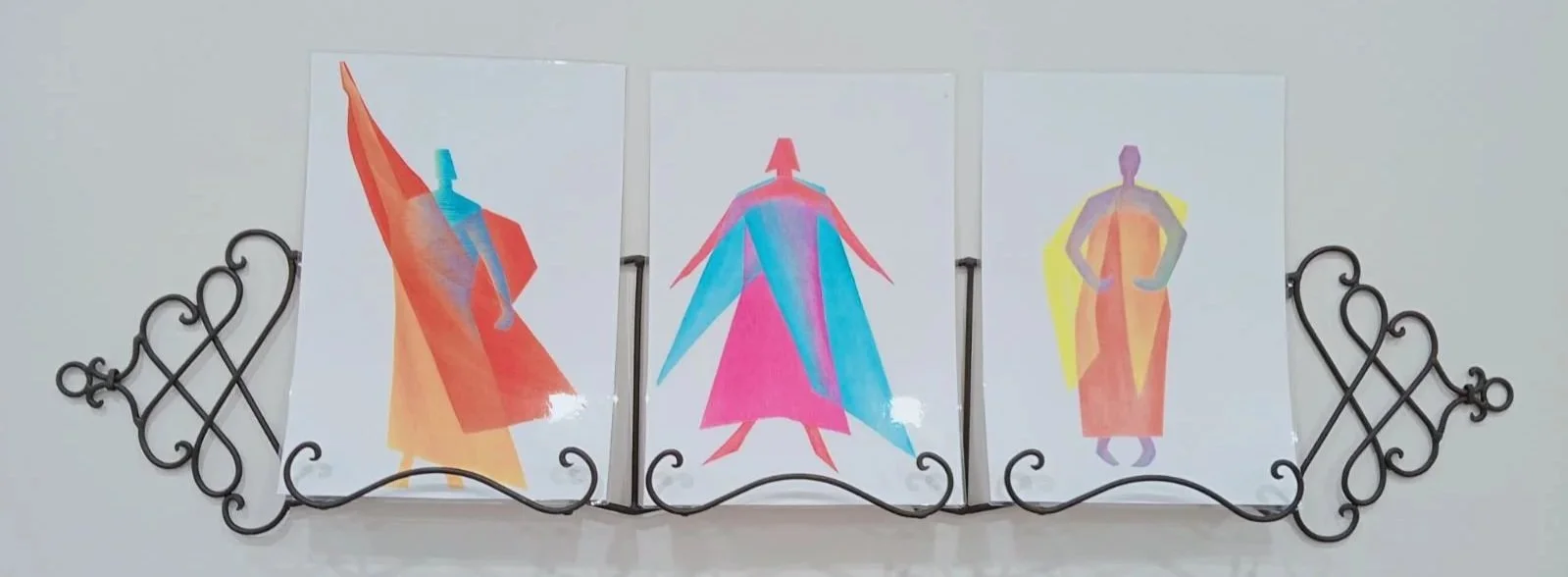
Eurythmy is a gentle, dynamic art of movement seeking to bring both the inner structure and laws of spoken language and music, and the spiritual qualities inherent in them into artistic expression. It was developed in the early 1900s by Rudolf Steiner. Essentially speech and music are brought into visibility through movement. The movements can be simple or extremely complicated. Speech gestures emerge from the sounds of vowels (eg A or I) and consonants (B or D), and soul expressions (eg happy or sad). How the individual moves can be determined by the grammatical structures (is it a noun?, is the verb active, passive? Is it willful or thoughtful?). Music gestures likewise emerge from the musical elements; tones, intervals, pitch, major, minor, piano, forte.... and again the musical form can determine how the individuals move (are the tones long?, is there a questioning and response?, a musical cadence?).
There are three branches of Eurythmy: Artistic Eurythmy, Pedagogical Eurythmy and Eurythmy Therapy.
What is Eurythmy?
Rudolf Steiner described in 'A Lecture on Eurythmy' 1923
... in the case of Eurythmy, the body soul and spirit work harmoniously together, so that here one has to do with a spiritualised form of gymnastics. The [individual] feels this. They feel that each movement they make does not merely arise in response to a physical necessity, but that every one of their movements is permeated with a soul and spiritual element which streams through the arms and indeed through the whole body.... the [individual] absorbs Eurythmy into the very depths of their being.
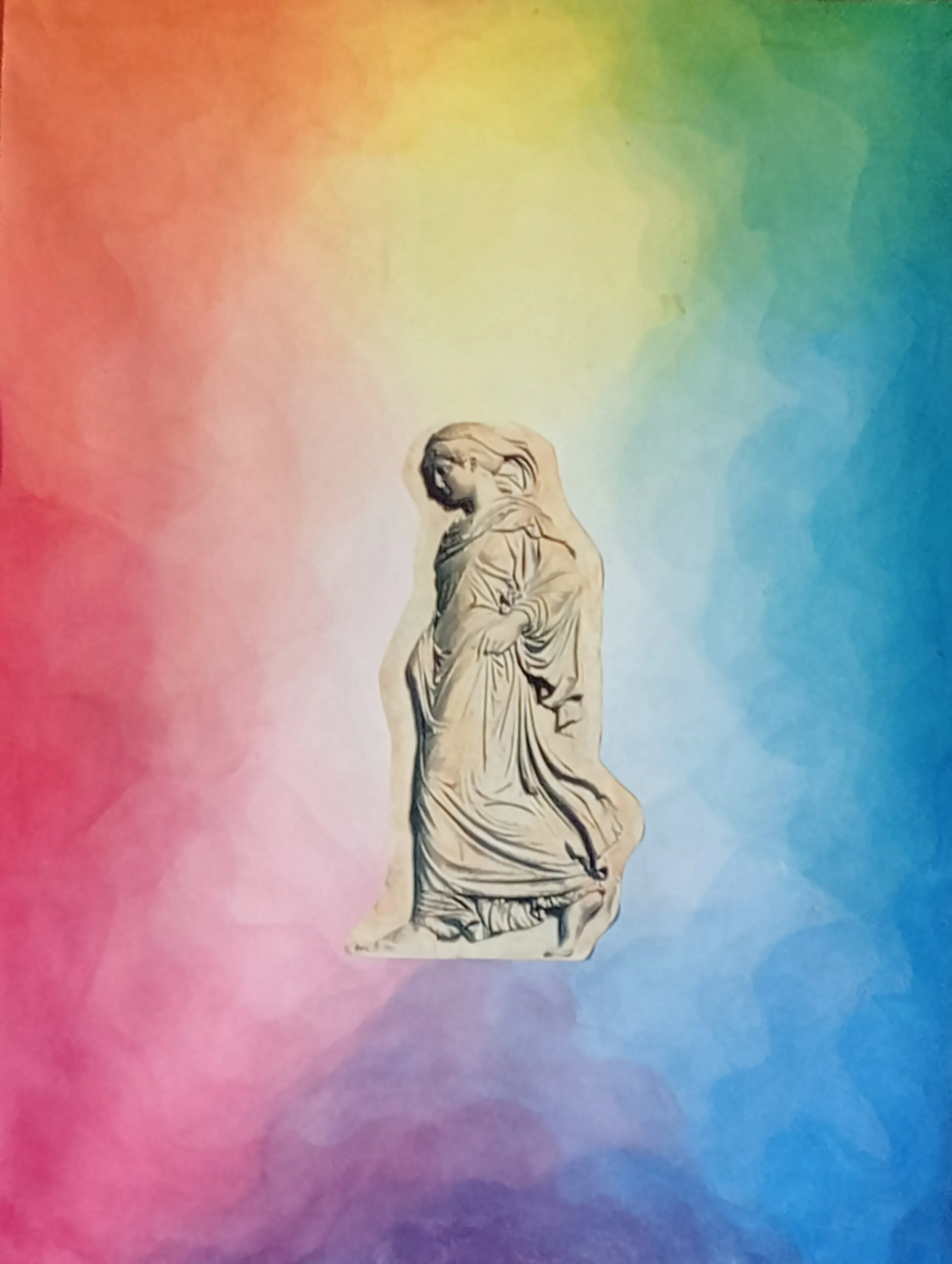
Eurythmy is a listening with all senses and bringing what is heard into conscious, intentional movement. It is challenging and fun! Speech and music inherently have a formative and even healing effect on the human being. Most people can recognise when they've experienced this – they've been filled with empowering images from a poem or been transported by a piece of music. When these are expressed in body movements, they work on the entire constitution and on the bodily form. They have an ordering and harmonising effect on the soul as well as the body. On the physical level it can improve coordination and posture, develop spatial awareness, balance, and clarity of thought, strengthen vitality, stimulate life forces, boost the immune system, aid digestive, respiratory, and cardiovascular problems, help with chronic pain and fatigue. Emotionally and mentally it can help with emotional regulation, balancing mood, reducing anxiety, stress, and anger, it can build self-confidence, provide self expression in a non-verbal way, and promote grounding, vitality, and inner calm.
Why do Eurythmy?